




Raw Material Selection
What raw materials will be used
WPC PP PE decking profile is a wood-plastic composite profile produced by combining wood flour or wood fiber with thermoplastic materials such as PE or PP, together with selected additives for processing and performance improvement.
This type of profile is mainly used to manufacture outdoor decking boards and related profile products. Depending on market demand and product design, WPC decking can be produced in solid or hollow structures, with different widths, thicknesses, colors, and surface finishes.
WPC decking profiles are designed to provide a wood-like appearance while improving resistance to moisture, weather exposure, and everyday outdoor wear. They are suitable for both residential and commercial projects and can also be used as part of a broader outdoor profile product range.
WPC PP PE decking profile is a wood-plastic composite profile made from wood flour and thermoplastic materials such as PE or PP. It is mainly used for outdoor decking boards and related profile products.
Yes. WPC decking is widely used in outdoor flooring, landscape construction, and public walkway projects because it offers a good balance of appearance, durability, and low maintenance.
Hollow decking uses less material and is suitable for many general decking applications. Solid decking is often selected for specific product positioning, structural preference, or premium market demand.
Yes. Recycled PE or PP can be used in WPC decking production when the raw materials are properly prepared and matched with a suitable formula and extrusion process.
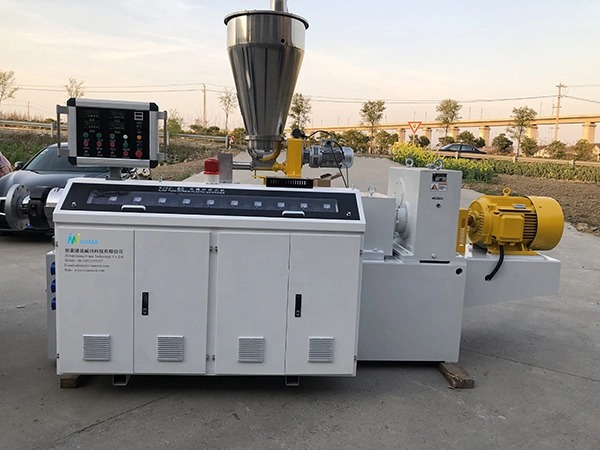
WPC decking profiles are usually produced by a profile extrusion line including raw material feeding, extrusion, mold forming, calibration, cooling, haul-off, cutting, and stacking equipment.
Yes. By changing the mold and adjusting the downstream equipment, one production line can produce decking boards as well as fencing, railing, wall cladding, and other related profiles.

