Views: 0 Author: Site Editor Publish Time: 2026-05-05 Origin: Site

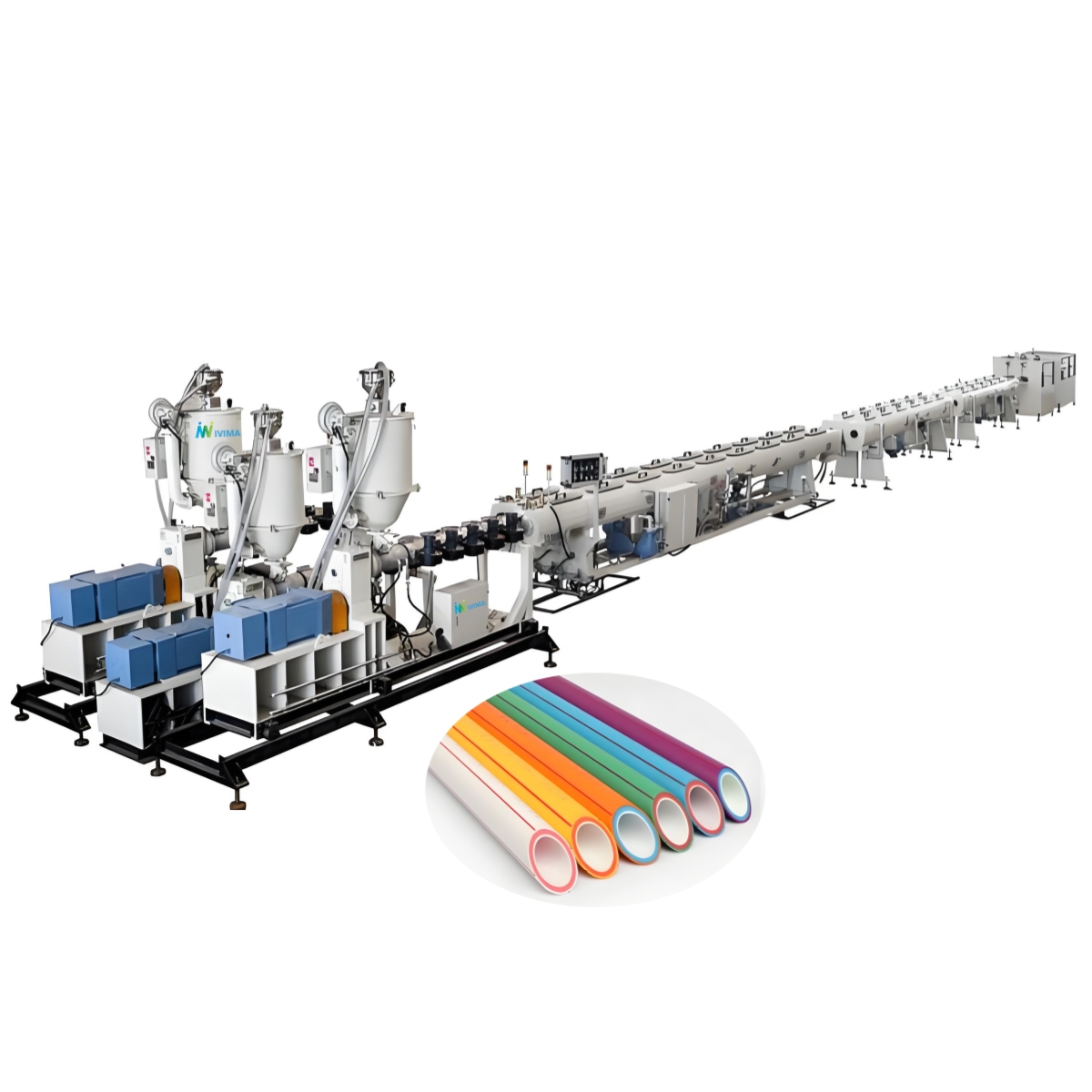
Investing in manufacturing equipment demands massive capital expenditure. High operational stakes ride on your final machinery choice. Procurement teams face intense pressure every single day. They must maximize extrusion output effortlessly. However, they also need precise wall thickness control. This delicate balance ensures critical regulatory compliance. Hot and cold water plumbing applications demand strict adherence to global safety norms. Faster production easily ruins dimensional stability if unchecked. Equipment lacking high precision increases scrap rates quickly. This article guides plant managers and engineering buyers. We offer a pragmatic, vendor-neutral machinery evaluation framework. You will learn how to assess critical extruder specifications practically. We cover mitigating implementation risks effectively. You will also discover strategies to evaluate long-term equipment reliability. We want you to feel completely confident during procurement. You can rely on these practical insights to avoid costly errors. Let us dive into the core requirements. Read on to master your next major equipment selection.
Extrusion Precision: Screw design and L/D ratios directly dictate melt homogeneity and final pipe durability.
Energy Overhead: Upgrading to advanced heating and motor systems reduces the per-meter manufacturing cost of a plastic pipe machine.
Compliance Capable: The line must consistently output pipes meeting ISO 15874 and DIN 8077/8078 standards without manual recalibration.
Vendor Support is Critical: Implementation risks are highest during commissioning; post-sale technical training and spare part availability separate reliable vendors from high-risk ones.
Plant managers often push for higher line speeds aggressively. They want to maximize daily throughput to improve profit margins. However, faster operations are not inherently better. Increased speed often elevates your material scrap rate drastically. A modern PPR pipe production line must balance velocity and precision. You lose money quickly if dimensional stability falters. Plumbers reject irregular pipes during installation.
We must define realistic capacity planning first. Evaluate throughput assumptions carefully before finalizing machinery choices. Target specific kg/h metrics based on facility constraints. You should match these targets to local market demand accurately. Typical pipe diameters range widely from 16mm to 160mm. Residential plumbing frequently demands 20mm and 25mm pipes. Industrial applications might require massive 110mm variants instead. Do not overestimate your real-world capacity needs.
Energy efficiency matters immensely over a ten-year operational span. Evaluate the power consumption per kilogram processed. High-torque, low-energy motors drive long-term operational reductions. High-efficiency drives minimize the electrical overhead per meter generated. You should demand detailed energy consumption charts during negotiations. Ask vendors for actual running data from similar installations. We see top-tier facilities reducing energy bills significantly through smart drive upgrades.
Material yield also defines operational success clearly. Establish clear baseline expectations for scrap reduction. Automated feeding systems help maintain consistent polymer flows. Gravimetric dosing systems prevent material waste perfectly. They measure resin inputs down to the exact gram automatically. These components ensure you hit production targets reliably. They prevent operators from overfeeding expensive masterbatch pigments. You gain better control over your daily raw material expenses.
Evaluating a PPR pipe extrusion line starts directly at the core. Polypropylene Random Copolymer (PPR) requires specialized physical geometries. Generic screw designs degrade this sensitive material quickly. You need custom screw designs for proper plasticization. PPR contains unique crystalline structures internally. They respond poorly to sudden mechanical shear stress. Custom barrier screws provide gentle but thorough mixing. This gentle action preserves the polymer chain integrity. You avoid brittle final products this way.
Length-to-Diameter (L/D) ratios deserve your close attention. An optimal L/D ratio sits exactly between 30:1 and 33:1. This specific range guarantees excellent melt stability continually. It allows sufficient time for uniform polymer heating. Shorter screws risk leaving un-melted particles inside the matrix. Longer screws might accidentally burn the delicate polymer chains. We highly recommend verifying these exact physical specifications.
Die head technology dictates your final pipe quality entirely. You should assess spiral or basket-type co-extrusion die heads. Spiral die heads divide the melt stream intricately. They weave the polymer flows back together inside the chamber smoothly. This eliminates weak fusion spots completely. Poor die heads cause catastrophic pipe failures later during pressurized usage.
Die Head Technology | Flow Distribution | Weld Line Risk | Best Application |
|---|---|---|---|
Spider Die Head | Linear split | High | Basic PVC, Low-pressure pipes |
Spiral Die Head | Helical overlapping | Extremely Low | PPR Hot Water Pipes, High-pressure use |
Basket Die Head | Multi-channel woven | Minimal | Large diameter Polyolefin pipes |
You might also need advanced co-extrusion capabilities. Multilayer production is increasingly popular worldwide today. Fiberglass-reinforced PPR pipes require dedicated auxiliary extruders. The middle fiberglass layer prevents thermal expansion drastically. Auxiliary extruders bind these distinct material layers seamlessly together. Always confirm the digital synchronization between primary and auxiliary units.
Vacuum calibration tanks maintain exact outer diameters continuously. Precise vacuum control prevents dangerous pipe ovality. Thick-walled hot water pipes remain especially vulnerable here. You must maintain perfect roundness throughout active production. Ovality ruins the pipe jointing process instantly. Plumbers cannot weld non-circular pipes properly onsite. Leaks happen almost immediately during pressure testing.
Operators rely on advanced digital vacuum sensors. They adjust pressure automatically to stabilize soft dimensions. The vacuum chamber utilizes precision sizing sleeves. These sleeves freeze the outer skin of the pipe instantly. Next, evaluate your cooling efficiency carefully. You must calculate cooling tank length accurately. It must correlate directly to your maximum line speed.
Fast lines require exceptionally long cooling sections naturally. Proper water temperature regulation prevents internal pipe stress. Shock cooling creates brittle, easily fractured plastics. Water jets must spray the pipe surface uniformly. We advise gradual, multi-zone temperature reductions.
Haul-off mechanisms require rigorous evaluation too. Caterpillar tractor units handle soft pipes gently. Servo-motor synchronization remains absolutely critical here. The haul-off must match the extruder output speed perfectly.
Speed Synchronization: The PLC matches extruder RPM to haul-off velocity exactly.
Tension Control: Belts apply even pressure without squeezing the hollow core.
Micro-adjustment: Sensors detect slack and adjust pulling speeds in milliseconds.
Any mismatch causes severe stretching or sudden wall thinning. Micro-cracking frequently occurs from erratic pulling tensions. You avoid these hidden defects through precise digital synchronization. Cutting automation concludes the mechanical extrusion process. Evaluate planetary cutting systems over standard chipless alternatives. Planetary cutters deliver clean, burr-free ends consistently. You will not need expensive secondary manual processing before shipping.
Achieving a continuous, high-quality output requires strict digital monitoring. You must integrate inline ultrasonic thickness gauges. Laser diameter measuring tools offer indispensable real-time quality control. These gauges scan 360 degrees around the running pipe constantly. They identify micro-thin spots in mere milliseconds. They alert operators immediately if dimensions drift out of spec. These tools prevent you from manufacturing miles of useless scrap.
Machinery features must support rigorous plumbing standards directly. Hot and cold water applications follow strict international rules. Equipment must pass structural integrity tests easily. Hydrostatic pressure test compliance remains entirely non-negotiable. Thermal stability requirements align heavily with DIN 8077/8078 norms. ISO 15874 dictates performance for global plastic piping systems. It specifies long-term hydrostatic strength expectations. Your chosen machine must process the material without degrading this strength.
Calibrate ultrasonic sensors weekly against manual caliper measurements.
Purge the die head thoroughly between different resin batches.
Monitor cooling water temperatures across all tank zones continuously.
Document raw material batch numbers alongside daily production output.
Data logging guarantees total manufacturing traceability seamlessly. Programmable Logic Controllers (PLCs) handle this heavy digital lifting. Top-tier systems represent the current industry gold standard. These PLCs record critical batch data continuously without interruption. They track slight temperature fluctuations instantly. Pressure anomalies trigger immediate automated visual warnings. Compliance audits demand this exact historical data today. You cannot rely on manual paper logs anymore. They simply introduce too much human error.
A new Plastic Pipe Machine demands extensive facility preparation. You cannot ignore the spatial footprint requirements early on. These automated lines easily exceed thirty meters in length. You must provide ample physical clearance for safe operator movement. A standard line requires a heavily reinforced concrete foundation. It must support several tons of vibrating machinery safely.
Water recycling infrastructure needs careful operational planning. Closed-loop cooling systems conserve massive industrial water volumes. They require dedicated external chilling towers and filtration units. Your electrical grid must handle massive starting motor currents safely. Electrical grids often need 380V or 415V three-phase power directly. Verify your internal transformer capacity before scheduling delivery.
Realistic commissioning timelines prevent stressful project delays. Factory Acceptance Testing (FAT) marks your first critical milestone. Do not skip this crucial vendor facility visit. On-site installation typically takes several intense weeks locally. Successful trial runs require patience and fine calibration.
Operator training dictates your long-term success heavily. Machine underutilization frequently stems from simple operator errors. Vendor-provided training programs remain absolutely vital. Training should span at least five full working days. Operators must practice starting the line from completely cold states. They must understand complex HMI interfaces completely. They need practical troubleshooting and daily preventative maintenance skills. They must learn how to purge degraded material safely. Do not let poor training ruin your massive investment.
Choosing the right partner involves strict evaluation frameworks. You must look far beyond the initial attractive sticker price. Evaluate the expected machine lifespan comprehensively beforehand. Average energy consumption dictates your daily operational bills permanently. Frequent maintenance downtime destroys expected profitability margins fast. A cheaper machine often costs more over ten years. We recommend focusing heavily on long-term hardware reliability.
You must verify the brands of critical internal components. Motors, drives, and electrical relays demand global brand recognition. A widely supported PLC prevents catastrophic software lockouts. A generic, unbranded controller remains a severe operational liability. If an obscure relay fails abruptly, you suffer. You might wait several weeks for international shipping. Choose global component brands for incredibly easy local replacements. Global brands offer local replacement depots everywhere.
Define acceptable warranty terms clearly during early negotiations. Core components like primary extruders and heavy gearboxes need extensive coverage. Wear parts naturally carry much shorter warranty periods. Heating bands and cutter blades require regular scheduled replacement. Understand these specific distinctions before signing any binding contracts.
Your next step involves requesting standard material test runs. Send the vendor your specific preferred PPR resin early. Demand a live demonstration using your exact raw materials. This proves their machine handles your unique formulations perfectly. You can inspect the final pipe dimensions personally. You can then finalize purchasing contracts confidently.
A reliable production system represents a serious multi-decade investment. You must prioritize rigorous technical vetting over pure initial cost-cutting. Precision engineering easily outperforms cheap alternatives consistently. Solid vendor reliability ensures long-term operational success and rapid troubleshooting. True automation effortlessly balances high output speeds with strict regulatory compliance. We encourage you to act strategically right now. Download a technical specification checklist today to guide your team. Contact an engineering consultant for a custom facility capacity assessment. They will help tailor these guidelines to your exact floor plan. Your next equipment upgrade starts with highly informed decisions.
A: Production speeds vary significantly based on pipe diameter and wall thickness. Small 16mm pipes often reach impressive speeds of 20 to 30 meters per minute. Conversely, large 160mm thick-walled pipes might run at just 1 to 3 meters per minute. High-quality machines utilize synchronized servo motors to maintain these speeds flawlessly. We recommend consulting your vendor for exact speed charts corresponding to your specific target diameters.
A: Yes, but it requires specific mechanical adjustments. PPR and PE exhibit distinct melt temperatures and flow behaviors. You face severe screw design limitations if you use a single screw geometry for both. We strongly advise using interchangeable die heads and calibration sleeves. Changing the primary screw for different polymers ensures optimal plasticization and prevents unwanted material degradation.
A: Wall thickness variations stem from several mechanical inconsistencies. Fluctuating haul-off speeds stretch the hot polymer unevenly. Inconsistent melt temperatures alter the material flow rate unpredictably. Poorly calibrated die heads also distribute internal pressure unevenly. You must utilize inline ultrasonic thickness gauges. They detect these minute variations instantly, allowing automated PLCs to correct haul-off synchronization immediately.
A: Modern systems consume surprisingly little actual water. They utilize advanced closed-loop water cooling systems efficiently. The water circulates continuously between the calibration tanks and external chilling units. You only lose a minimal volume to natural evaporation. A highly efficient facility reuses over 95 percent of its process water. We recommend installing dedicated chilling infrastructure to maintain this low consumption rate continuously.