


Views: 0 Author: Site Editor Publish Time: 2025-09-24 Origin: Site
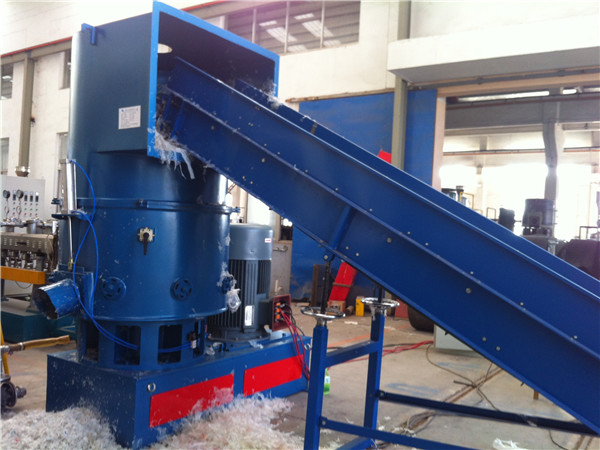
In modern plastic manufacturing, the efficiency and quality of production are not determined solely by primary equipment such as extruders, injection molding machines, or blow molding units. Equally important are auxiliary machines, which support the entire production workflow by preparing raw materials, managing moisture content, recycling waste, and ensuring consistent material quality. Among these, agglomerators have emerged as essential auxiliary machines for handling recycled plastic PP PE film PP woven bag PET film into uniform granules suitable for downstream processing.
Selecting the right agglomerator auxiliary machine is a strategic decision for manufacturers. It directly influences operational efficiency, reduces production downtime, and enhances the quality of the final product. Moreover, an optimized auxiliary machine setup can help reduce energy consumption and operational costs, contributing to a more sustainable manufacturing approach. With the right machine, manufacturers can streamline production workflows, minimize waste, and maintain consistent output quality, which is crucial in today’s competitive plastic industry.
This article provides a comprehensive guide on choosing the ideal agglomerator auxiliary machine, covering working principles, key selection factors, integration strategies, performance evaluation, and future trends that align with modern industrial standards.
An agglomerator auxiliary machine is designed to convert PE/PP films and woven bags into smaller, uniform granules. Unlike traditional pelletizers that require pre-dried and cleaned materials, agglomerators can handle wet, fine, or mixed plastics, making them indispensable in recycling processes, especially for plastic films and bags. This functionality is particularly useful in production lines where efficient material recovery and granulation of plastic waste are critical.
Agglomerators are particularly valuable for minimizing material losses and ensuring the smooth feeding of materials into downstream processes such as extrusion, molding, or mixing. By transforming fines and irregular plastic fragments into uniform granules, they improve the consistency of melt flow, reduce dust generation, and enhance overall production efficiency.
When evaluating agglomerators as auxiliary machines, manufacturers should consider several performance metrics to ensure the selected machine meets production goals:
Throughput Capacity: Measured in kilograms per hour or tons per day, the machine should match or slightly exceed the production line requirements.
Moisture Handling Capability: Some agglomerators can process wet or partially washed plastics efficiently, reducing the need for pre-drying.
Granule Size Uniformity: Consistent particle size ensures smooth operation in downstream extrusion or molding equipment.
Energy Efficiency: Low power consumption reduces operational costs and improves overall sustainability.
Ease of Integration: The machine should seamlessly integrate with other auxiliary equipment for optimal production flow.
Understanding the material properties is fundamental in selecting the right agglomerator. Different plastics behave differently under compression or heat, influencing granulation efficiency:
Plastic Type: Common polymers like PE, PP, PET, and PVC each have unique melting points, hardness, and moisture retention characteristics. Selecting an agglomerator compatible with these properties ensures reliable performance.
Moisture Content: High-moisture materials require machines capable of dewatering without compromising granule integrity.
Contamination Level: Materials with residual adhesives, labels, or other contaminants may affect granulation. Proper pretreatment and machine selection help maintain operational efficiency.
Particle Size: The input size of flakes, powders, or scrap must match the agglomerator’s processing capability to avoid blockages and ensure uniform output.
The machine’s capacity should align with both current and future production demands:
Throughput Needs: Calculate daily or hourly processing requirements. Agglomerators must consistently meet production goals without causing bottlenecks.
Continuous vs. Batch Operation: Continuous production lines benefit from high-capacity, durable agglomerators, while batch operations may use smaller, more flexible units.
Scalability: Modular designs or machines with expandable capacity enable manufacturers to accommodate future growth without major equipment overhauls.
Operational cost is a significant factor in auxiliary machine selection:
Power Consumption: Agglomerators vary in energy usage depending on design, throughput, and material type. Efficient machines reduce electricity costs and carbon footprint.
Maintenance Requirements: Assess the frequency of part replacements, lubrication needs, and ease of cleaning to minimize downtime.
Long-Term ROI: Consider the balance between initial investment and the potential savings from energy efficiency, reduced material waste, and lower maintenance costs.
Optimal performance depends on proper integration with existing production line equipment:
Crusher + Agglomerator: Reduces large plastic scraps into smaller pieces before granulation, improving consistency.
Washer + Agglomerator: Removes contaminants and excess moisture before granulation to enhance pellet quality.
Dryer + Agglomerator: Supports moisture-sensitive materials, ensuring granules meet downstream processing requirements.
Mixer + Agglomerator: Allows for blending additives, colorants, or stabilizers before granulation, improving uniformity and product performance.
The quality of the granules produced affects the efficiency of the entire production line:
Uniform Size: Consistent granule size ensures smooth feeding into extruders, molding, or mixing equipment.
Low Dust and Fines: Minimizes material loss and prevents contamination or equipment wear.
Enhanced Melt Flow: Properly formed granules reduce processing issues in downstream equipment, improving overall product quality.
Selecting a reliable supplier ensures smooth long-term operation:
Manufacturer Reputation: Evaluate experience, industry expertise, and references.
Technical Support: Availability of spare parts, on-site service, and training.
Warranty and Service Agreements: Protect investment and ensure continuity of production in case of machine issues.
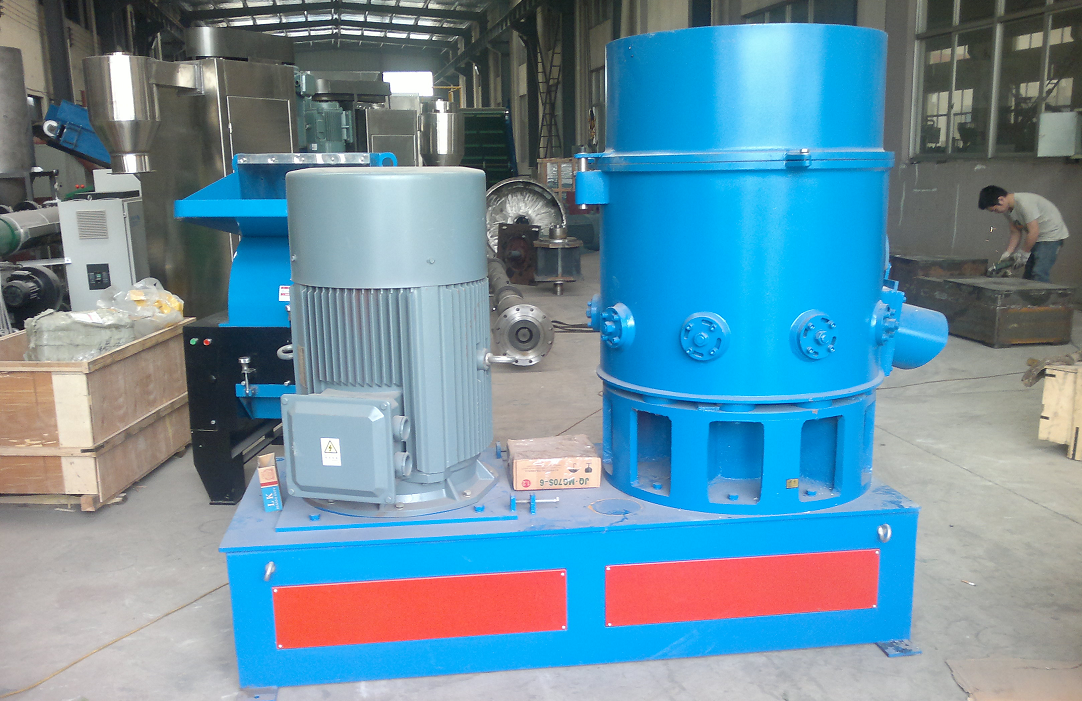
Modern agglomerators increasingly incorporate IoT and automation systems:
Real-time monitoring of throughput, temperature, and pressure
Predictive maintenance to reduce unexpected downtime
Automated adjustments for varying material types, moisture levels, and production demands
Flexibility to expand production capacity without major equipment changes
Integration into multi-line production setups
Customization to accommodate different plastic types and recycling processes
Energy-efficient motors and optimized mechanical design
Reduced carbon footprint and improved operational sustainability
Compatibility with biodegradable and bio-based plastics for eco-conscious production
Choosing the right agglomerator auxiliary machine is a strategic investment that significantly impacts production efficiency, product quality, and operational sustainability. Manufacturers must carefully evaluate factors such as material characteristics, throughput requirements, energy consumption, integration capabilities, output consistency, and supplier reliability to ensure the chosen machine meets both current and future production needs.
A high-performance agglomerator transforms recycled or scrap plastics into uniform granules efficiently, reduces material waste, and lowers operational costs. When integrated with other auxiliary machines such as crushers, washers, dryers, and mixers, it creates a smooth, sustainable, and highly productive workflow that optimizes the entire production line.
For companies seeking reliable, advanced, and energy-efficient agglomerator solutions, Zhangjiagang Lvima Technology Co., Ltd. offers a wide range of high-quality auxiliary machines tailored to diverse production demands. Their expertise, innovative technology, and commitment to quality make them a trusted partner for manufacturers aiming to enhance productivity while supporting sustainable practices.


