


Views: 225 Author: Site Editor Publish Time: 2026-02-11 Origin: Site

When you're planning a plumbing or irrigation project, Schedule 40 PVC is usually the first material that comes to mind. It's affordable, easy to find, and simple to install. But there is a silent killer for these white pipes: heat. Understanding the Schedule 40 PVC temperature resistance is not just a technical detail; it's a safety requirement. If you push this material past its thermal limits, you risk sagging, leaks, or even catastrophic pipe failure.
In this guide, we will break down exactly how much heat High-quality Schedule 40 PVC can handle, how temperature affects its pressure rating, and when you need to switch to a more robust material. We are moving beyond basic definitions to give you the actionable data you need for your next Industrial or home project.
The hard limit for Schedule 40 PVC is 140°F (60°C). This is the maximum service temperature recommended by most manufacturers and engineering standards. While the pipe won't instantly melt at 141°F, it begins to lose its structural integrity rapidly once it crosses this threshold.
At this temperature, the thermoplastic molecules begin to move more freely, causing the material to soften. This makes the pipe susceptible to "creep," where it deforms under its own weight or the weight of the fluid inside. If you are running hot water lines for a washing machine or a dishwasher, you must check the water heater settings. Standard water heaters are often set to 120°F-140°F, which puts Schedule 40 PVC right at its danger zone. For any application consistently hitting these marks, we usually recommend upgrading to CPVC or metal.
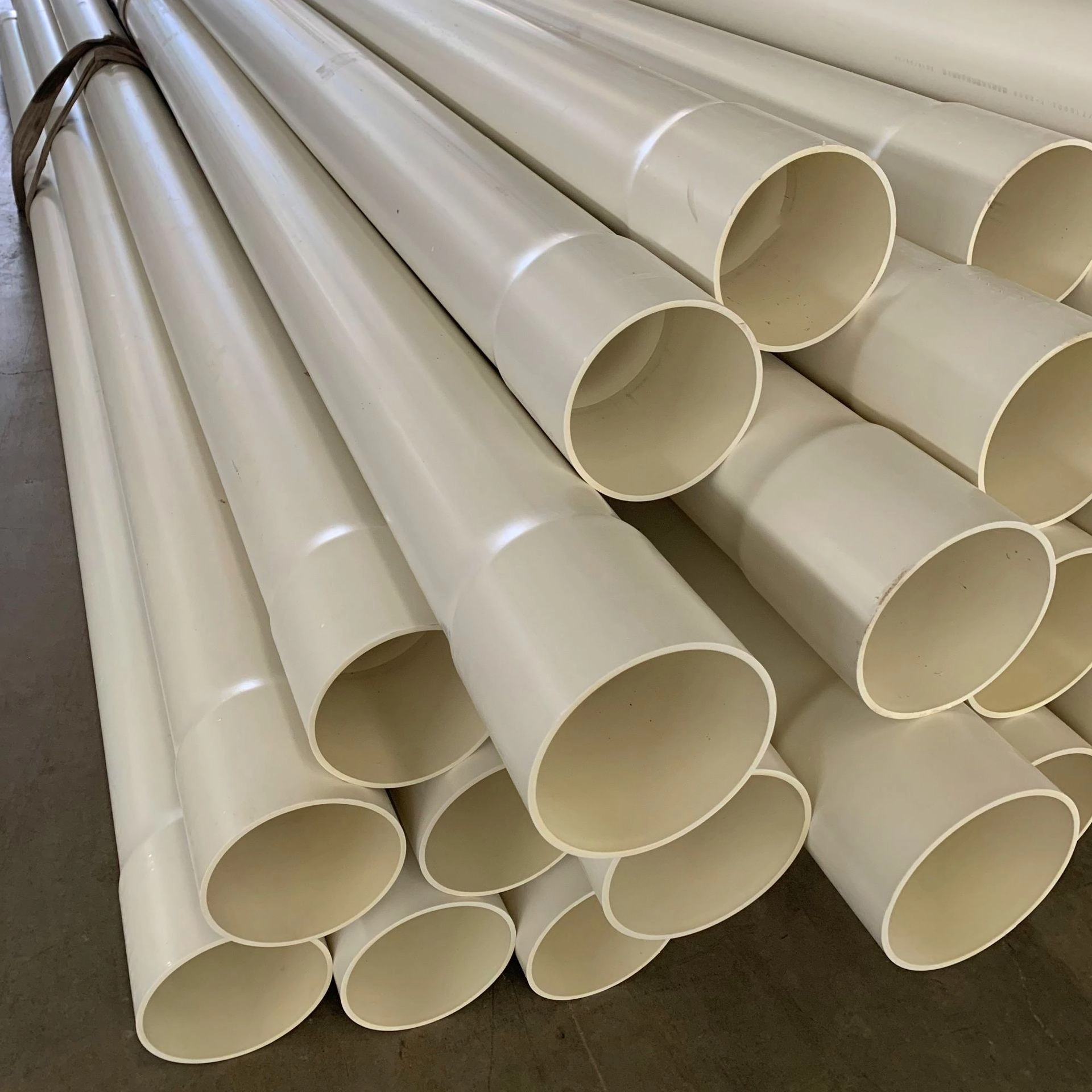
One of the biggest mistakes DIYers and contractors make is assuming the pressure rating printed on the side of the pipe is a constant. It isn't. The rated PSI (pounds per square inch) for Schedule 40 PVC is calculated at a "base" temperature of 73.4°F (23°C). As the temperature rises, the pressure capacity drops significantly.
To find the actual strength of your pipe at a specific heat level, you must apply a derating factor. Think of it as a "strength tax" paid to the heat.
| Temperature (°F) | Derating Factor | Strength Remaining |
| 73°F | 1.00 | 100% |
| 90°F | 0.75 | 75% |
| 110°F | 0.50 | 50% |
| 140°F | 0.22 | 22% |
For example, if a 2-inch Industrial Schedule 40 PVC pipe is rated for 280 PSI at room temperature, it can only handle about 61 PSI once it reaches 140°F. If your system runs at 80 PSI, the pipe will likely burst or deform, even though you are technically within the "temperature limit."
Heat doesn't just soften Schedule 40 PVC; it grows it. PVC has a high coefficient of linear expansion. For every 10°F change in temperature, 100 feet of pipe can expand or contract by nearly half an inch. In long outdoor runs exposed to the sun, this movement is dramatic.
If you strap a long run of High-quality Schedule 40 PVC tightly to a wall without room to move, the internal stress will eventually crack the fittings.
Expansion Loops: We use U-shaped bends to allow the pipe to flex safely.
Offset Bends: These allow for movement at corners.
Piston Expansion Joints: These are specialized fittings that act like a telescope, absorbing the growth of the pipe.
Without these measures, the "snaking" effect can pull pipes out of their solvent-welded joints, leading to massive leaks. We always suggest leaving a small gap in hangers to let the pipe slide back and forth as the weather changes.
While we focus on heat, the cold is equally dangerous for Schedule 40 PVC. As temperatures drop toward freezing (32°F), the pipe becomes brittle. It loses its impact resistance, meaning a dropped tool or a rogue lawnmower can shatter it like glass.
Flexible PVC options might handle vibration better, but standard Schedule 40 PVC becomes rigid and unforgiving in winter.
Water Expansion: If water freezes inside the pipe, it expands. Since the PVC is brittle in the cold, it cannot stretch to accommodate the ice and will split.
Handling Precautions: We recommend avoiding any installation or heavy handling of PVC when temperatures are below 40°F. If you must work in the cold, use a fine-tooth saw to prevent shattering the pipe during a cut.
Many people ask if sunlight counts as "heat resistance." While the sun warms the pipe, the real enemy is Ultraviolet (UV) radiation. Standard Schedule 40 PVC is not inherently UV resistant for long-term exposure.
Over time, UV rays break down the polymer chains in the plastic. This process, known as "UV degradation," turns the pipe yellow or brown and makes the outer wall paper-thin and brittle.
Painting: The most effective way to protect Industrial PVC outdoors is to paint it. Use a high-quality, water-based latex paint. Avoid oil-based paints, as they can damage the plastic.
Shading: If possible, bury the pipe or place it in a conduit.
Thin Wall Limitations: Note that Thin wall PVC (like Class 200) will fail much faster under UV stress than Schedule 40 PVC because there is less material to erode.
If your project involves temperatures consistently above 100°F, you need to know your alternatives. Schedule 40 PVC is the baseline, but it isn't always the right tool for the job.
CPVC (Chlorinated Polyvinyl Chloride): This is the "big brother" of PVC. Because it is chlorinated, it can handle temperatures up to 200°F. This is why it is used for hot water distribution in homes.
Schedule 80 PVC: This has a thicker wall than Schedule 40 PVC. While its temperature limit is still 140°F, its higher initial pressure rating means that even after the "heat tax" (derating), it can often handle more pressure than Schedule 40 at the same temperature.
| Feature | Schedule 40 PVC | CPVC | Schedule 80 PVC |
| Max Temp | 140°F | 200°F | 140°F |
| Wall Thickness | Standard | Variable | Thick |
| Common Use | Drainage/Irrigation | Hot Water Lines | Chemical/High Pressure |
Understanding Schedule 40 PVC temperature resistance is about more than just a single number. While 140°F is the absolute ceiling, the practical limit is often much lower once you factor in the pressure of the fluids inside. Whether you are working on an Industrial cooling system or a backyard sprinkler, you must account for thermal expansion and the loss of pressure capacity. By using expansion loops and choosing High-quality materials, you ensure your system lasts for decades rather than failing during the first heatwave.
1. Can I use Schedule 40 PVC for hot water lines?
Generally, no. Most residential hot water systems operate at 120°F to 140°F. This is too close to the maximum limit of Schedule 40 PVC, and the pressure of the house main could cause the softened pipe to burst. Use CPVC or PEX instead.
2. Does painting PVC help with heat?
Yes. Using a light-colored (white or off-white) latex paint reflects sunlight, which keeps the surface of the Industrial pipe cooler and provides a barrier against UV damage.
3. What happens to PVC if it gets too hot?
It becomes "ductile" or rubbery. The pipe will sag between supports, and the joints may pull apart. If the heat continues to rise, the pipe will eventually char and release toxic fumes, though it doesn't "burn" easily due to its chlorine content.
4. Is Schedule 40 PVC fireproof?
It is self-extinguishing, meaning it will stop burning once the flame source is removed. However, it is not "fireproof" and will deform and fail quickly in the presence of a fire.
Would you like me to create a detailed installation guide for expansion loops in Schedule 40 PVC systems?


