


Views: 0 Author: Site Editor Publish Time: 2026-04-16 Origin: Site
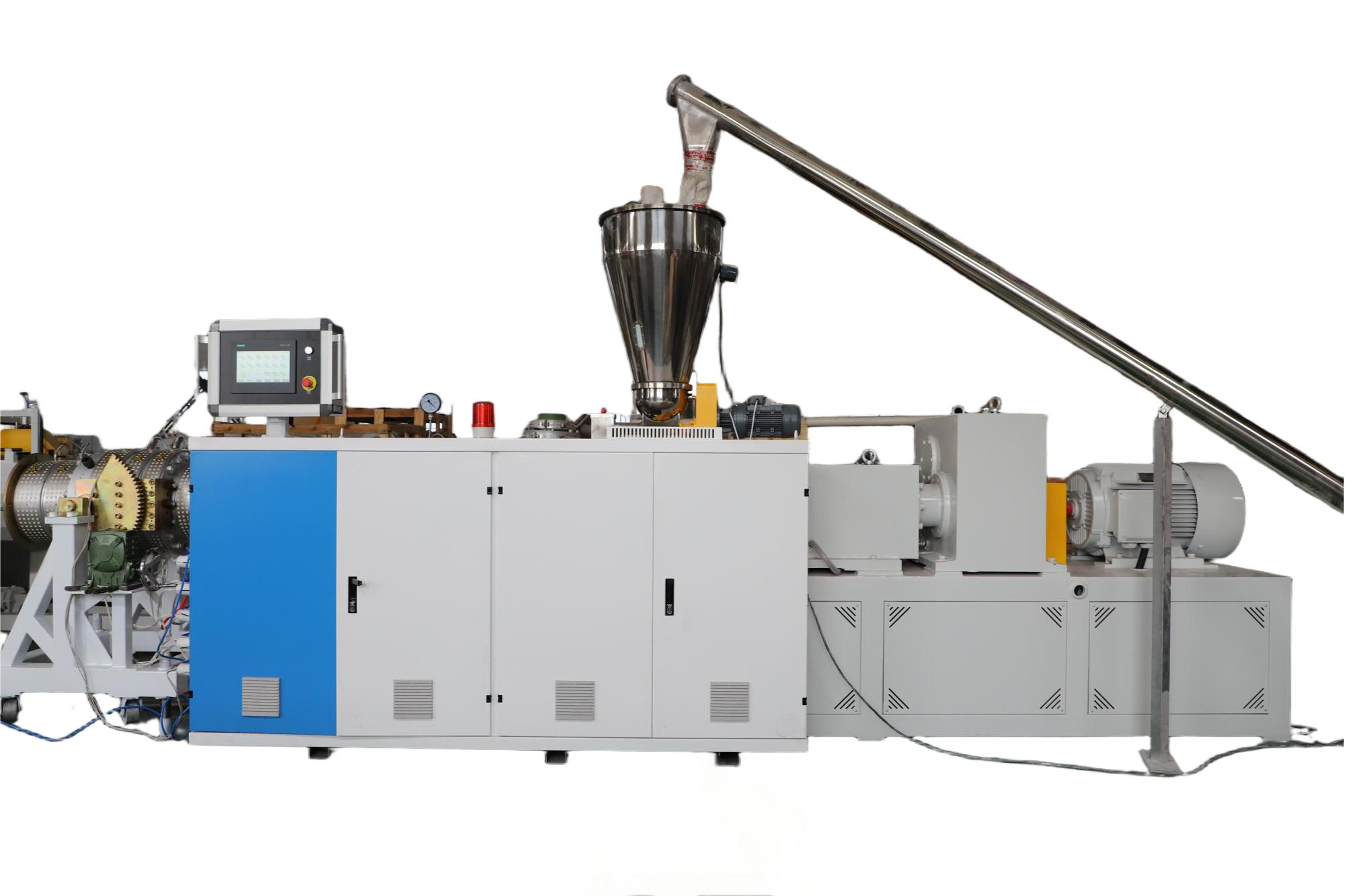
Plastic pipes are fundamental components in modern infrastructure — from water supply and irrigation systems to industrial fluid transport and electrical conduits. Ensuring consistent quality, low defect rates, and high efficiency during the Plastic Pipe Production process is essential for manufacturers who want to stay competitive and profitable in today’s market. However, this manufacturing sector faces many challenges — from material handling to die design, from equipment issues to quality control.
This comprehensive guide will explore the common issues in Plastic Pipe Production, analyze relevant trends and technical data, and provide actionable solutions for manufacturers operating a Plastic Pipe Production Line. By the end of this article, you’ll understand the root causes of production hurdles and how to prevent them, helping you enhance productivity and product quality.
Plastic pipe manufacturing is an extrusion‑based industrial process in which raw polymer materials are melted and shaped through a die to create continuous lengths of pipe. Popular plastics used include polyvinyl chloride (PVC), high‑density polyethylene (HDPE), and polypropylene (PP). Each type comes with its own process requirements and challenges, but common issues arise across all materials.
According to industry insights, surface defects, dimensional inconsistencies, internal voids, and bubble formation are among the key troubles encountered during extrusion and downstream operations. Moreover, many of these problems stem from variations in temperature, pressure, material quality, and equipment calibration.
Efforts to minimize these issues have a direct impact on production yield, cost efficiency, and end‑use performance. Whether in the context of potable water lines or industrial piping, product quality defines customer satisfaction and compliance with international standards.
The first critical stage in Plastic Pipe Production begins with raw material preparation. Poor handling at this stage can ripple through the entire production cycle, affecting surface finish, strength, and wall uniformity.
Moisture absorbed in plastic pellets or recycled feedstock can cause surface pitting, rough textures, and internal voids. Pollutants and impurities — such as dust, fillers, or incompatible plastics — result in streaks or weak spots in the final pipe.
Prevention Tips:
Use proper drying and dehumidification systems.
Ensure raw materials are stored in controlled environments before processing.
Install moisture analyzers to monitor moisture content before extrusion.
The heart of Plastic Pipe Production lies in the Plastic Pipe Machine — specifically the extruder. Problems here significantly influence downstream quality outcomes.
The screw within an extruder not only pushes material forward but also ensures melt uniformity. Over time, screws undergo wear due to abrasive friction with material. As wear progresses, mixing efficiency drops, causing poor melt consistency and product defects.
Solution Checklist:
Periodically measure screw dimensions and wear patterns.
Replace worn screws before they compromise production.
Choose wear‑resistant materials for screw construction.
Extrusion requires precise control of multiple temperature zones — from barrel sections to the die head. Uneven temperature distribution leads to inconsistent melting, which results in dimension variation, flow irregularities, and surface defects.
Best Practices:
Use PID controllers and thermal imaging technology for real‑time monitoring.
Set regular calibration intervals for thermal control systems.
Maintain the correct heat profile for specific resin types.
Once the molten plastic exits the extruder, it passes through the die to form the pipe profile. Problems at this stage are common and can dramatically impact pipe functionality and aesthetics.
After exiting the die, molten plastic can expand (die swell) due to elastic recovery, leading to inaccurate dimensions and poor tolerance control.
Mitigation Strategy:
Redesign die geometry to minimize elastic recovery.
Implement cooling optimization directly after the die.
Similarly, die lines — streaks along the pipe caused by irregular flow — must be avoided to maintain a uniform surface finish.
Prevention:
Clean the die regularly to remove buildup.
Ensure smooth, balanced material flow through the die.
Uneven wall thickness affects structural integrity and pressure resistance. These variations may occur when the die is misaligned, haul‑off speed fluctuates, or the extrusion pressure is unstable.
Modern Pipe Extrusion Lines often incorporate laser or ultrasonic measurement systems to provide real‑time feedback and automatically adjust processing parameters when deviations are detected.
Surface roughness, dullness, and scratches compromise aesthetic appeal and can indicate deeper process issues.
Inadequate lubrication or uneven melt flow.
Contamination in raw materials or worn equipment surfaces.
Cooling inconsistencies after extrusion.
Remedying Surface Defects:
Maintain even temperature distribution.
Use high‑quality raw materials and filtration systems.
Inspect and polish molds and heads to remove rough spots.
These steps not only enhance product appearance but also improve end‑use performance and customer satisfaction.
Internal voids — pockets of trapped air — weaken structural integrity and reduce pipeline longevity. Often caused by inconsistent pressure or poor venting systems during extrusion.
Avoidance Techniques:
Use vacuum systems in the extrusion line to evacuate trapped gases.
Maintain even pressure and temperature to support stable melt flow.
Pipeline ovality refers to a pipe losing its circular cross‑section — which undermines fit and performance.
Key Causes:
Uneven cooling.
Imbalanced traction or haul‑off systems.
Controls:
Monitor the traction machine for synchronization issues.
Use balanced cooling and calibration tanks immediately after extrusion.
To provide deeper insight, below is a structured comparison of common defects encountered during Plastic Pipe Production:
| Defect Type | Primary Causes | Recommended Actions |
|---|---|---|
| Surface Roughness | Uneven melt flow; contaminants | Improve material prep; precise temperature control |
| Wall Thickness Variation | Die misalignment; pressure instability | Use inline measurement; automatic adjustments |
| Internal Bubbles/Voids | Trapped air; pressure variation | Vacuum venting; optimized cooling |
| Ovality/Shape Deformity | Uneven cooling; haul‑off speed fluctuation | Balanced cooling; synchronized traction |
| Die Lines / Flow Marks | Irregular die flow; dirty die surfaces | Clean & inspect die; oversee melt flow |
| Screw Wear Impact | Abrasive wear; metal fatigue | Routine inspection & preemptive replacement |
This table assists manufacturers in diagnosing problem areas on their production lines and selecting evidence‑backed solutions.
Based on industry research and manufacturing data, here are proven strategies to minimize common problems in Plastic Pipe Production:
Modern production lines come with advanced digital controls, automated quality feedback loops, and inline sensors that proactively correct issues before they escalate.
Scheduled inspections of the Plastic Pipe Machine — especially the extruder, screws, and die assemblies — are essential to prevent unplanned downtime.
Well‑trained operators understand how process parameters affect output quality and can make quick adjustments during production. Regular training and performance review contribute to higher production consistency.
Ensuring feedstock purity, consistent melt flow index, and moisture control suppresses defect formation early in the lifecycle of production.
As the global manufacturing field evolves, several innovations are reshaping Plastic Pipe Production:
Artificial intelligence and machine learning models are increasingly used to predict defects before they occur by analyzing process data streams.
Recycling and using secondary plastic feedstock are trending solutions, but they require careful calibration of the pipe extrusion line to maintain quality.
Uniform cooling technologies ensure more consistent dimensions and help reduce ovality defects.
Lower energy consumption combined with improved process control supports more sustainable and cost‑effective Plastic Pipe Production.
In today’s competitive manufacturing environment, mastering the complexities of Plastic Pipe Production, whether operating a Plastic Pipe Production Line, using a Plastic Pipe Machine, or optimizing a Pipe Extrusion Line, is essential to minimize defects and maximize productivity.
From material preparation and extruder calibration to die optimization, cooling management, and surface finish controls, addressing each piece of the production puzzle helps manufacturers achieve greater consistency, quality, and customer satisfaction.
Adopting modern technology, investing in preventive maintenance, elevating operator expertise, and monitoring data‑driven performance indicators are the pillars of effective pipe manufacturing.
1. What is the main cause of wall thickness variation in plastic pipe extrusion?
Wall thickness variation often arises from die misalignment, unstable pressure, and inconsistent haul‑off speed; using inline measurement systems and regular die calibration helps control this issue.
2. How does moisture in raw materials affect Plastic Pipe Production?
Moisture can create internal voids and surface defects by interfering with melt quality, so drying and moisture control systems are crucial before extrusion.
3. Why do bubbles form inside extruded plastic pipes?
Bubbles are usually caused by trapped air or gases during extrusion; implementing vacuum venting and consistent pressure reduces these defects.
4. Can recycled plastic be used effectively in a pipe extrusion line?
Yes, recycled plastics can be used, but they require careful calibration of the extrusion line and quality control to maintain product performance.
5. How do die lines affect final plastic pipe quality?
Die lines are visual defects caused by uneven die flow; regular cleaning, flow optimization, and die inspection help prevent them.


