Views: 0 Author: Site Editor Publish Time: 2026-08-10 Origin: Site

Unplanned downtime and high initial rejection rates are primary margin killers in plastic pipe manufacturing. A rigorous pre-start protocol prevents catastrophic equipment damage. It stops issues like screw shear caused by cold starts. Proper checks also minimize scrap during the transition to stable production.
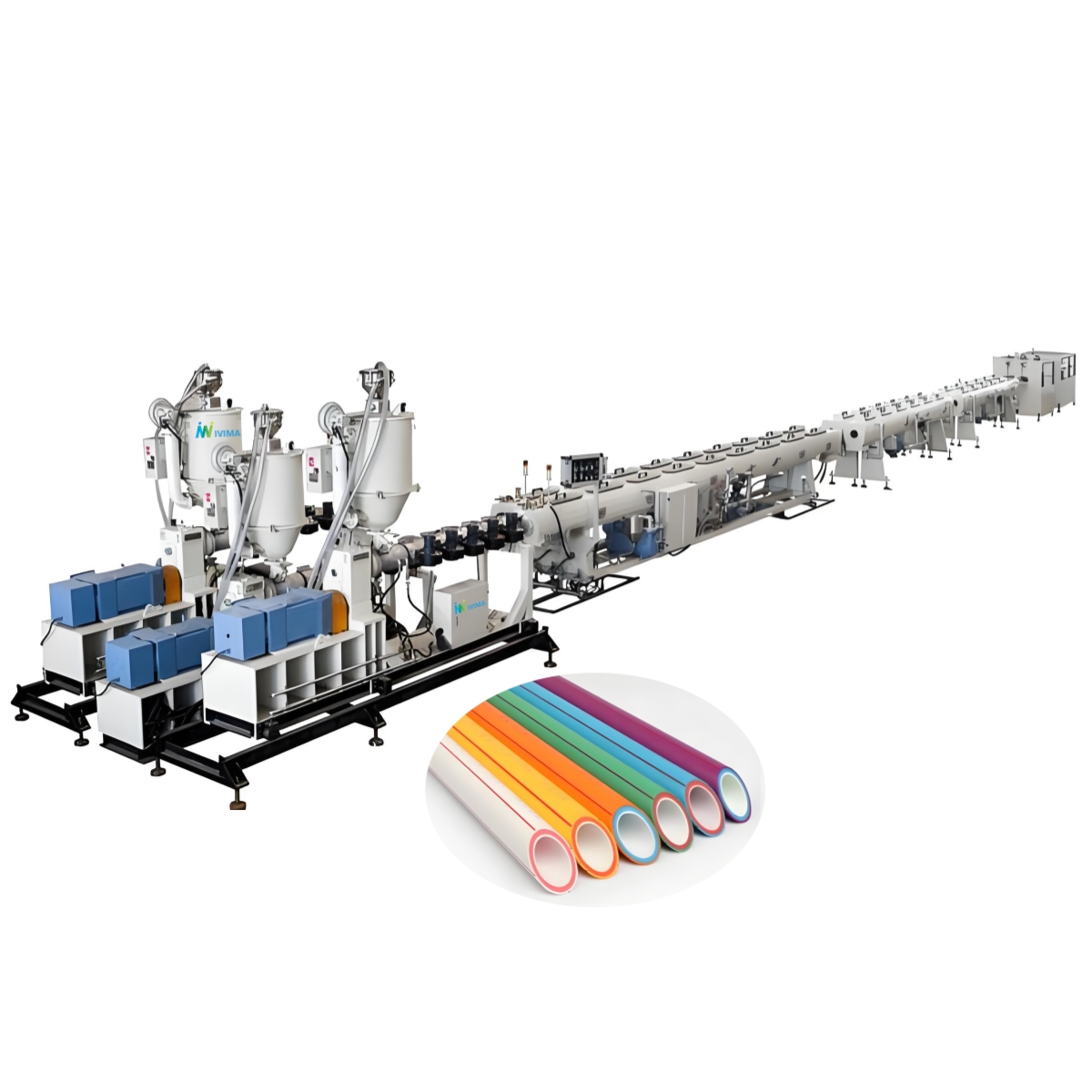
For plant managers and procurement teams evaluating a new PPR pipe extrusion line, understanding the operational prerequisites is critical. Modern machinery should theoretically simplify these checks through advanced automation. However, baseline mechanical and thermal verifications remain non-negotiable for operator safety and machine longevity.
We will outline the critical pre-start checks required for safe, high-yield production. You will learn how evaluating these operational steps can inform smarter equipment purchasing decisions. Implementing these routines protects your hardware and secures your product quality.
Thermal stabilization is critical: The most common cause of extruder damage is initiating screw rotation before the barrel and die head have achieved uniform core temperatures.
Utility alignment prevents scrap: Inconsistent cooling water pressure or raw material feeding directly correlates to pipe ovality and surface defects.
Safety validation is a daily requirement: Emergency stops and thermal guards must be tested prior to material loading to maintain compliance and protect operators.
Automation streamlines SOPs: When evaluating a PPR pipe production line, prioritize systems with integrated PLC pre-heating timers and automated fault detection to reduce reliance on manual checklists.
Skipping pre-start checks carries severe financial consequences. A "cold start" happens when operators engage the extruder screw before the plastic resin fully melts. Solid resin acts like cement inside the barrel. Forcing the screw to turn against this resistance often shears the screw flights. It can also shatter the gearbox. Replacing a damaged screw halts production for weeks. The financial cost of mechanical failure heavily outweighs the negligible time spent on proper pre-heating.
Verifying your calibration and cooling parameters optimizes your yield. Most scrap pipe is generated during the initial startup phase. If vacuum tanks lack the correct pressure, pipes emerge oval rather than perfectly round. When operators dial in these settings before initiating extrusion, they drastically reduce waste. Material flows correctly from the first meter. Yield numbers improve immediately.
These protocols matter deeply during the purchasing phase. Operators evaluating any plastic pipe machine should demand specific capabilities. Look for equipment featuring centralized diagnostic dashboards. These interfaces make pre-start checks quantifiable rather than subjective. Instead of guessing if a cooling fan works, the system displays real-time motor statuses. Investing in transparent diagnostics removes human error from your daily startup routine.
Mechanical checks form the foundation of a successful production run. You must verify alignment and moving parts before introducing any heat or material. Operators should follow a strict mechanical sequence.
You must check the concentricity of the die and pin. The die head shapes the molten plastic into a hollow tube. If the internal pin sits off-center, the resulting pipe will have uneven wall thickness. One side becomes too thin to pass pressure tests. Operators use specialized bolts on the die head to adjust this alignment. Verifying concentricity ensures uniform wall thickness from the very first meter of production.
The gearbox transfers massive torque to the extruder screw. You should inspect its condition daily. Check the oil levels through the external sight glass. Oil must fall within the manufacturer's specified range. Listen closely for abnormal idling noises when the main motor activates without a load. Grinding sounds indicate bearing wear. Additionally, ensure the main motor cooling fans remain unobstructed. Dust buildup limits airflow and triggers overheating alarms.
Extrusion requires synchronized equipment down the line. Check the following components:
Haul-off tracks: Ensure the rubber caterpillars are properly tensioned. Loose tracks slip against the pipe and cause uneven pulling.
Cutting unit: Verify the saw is calibrated to your target pipe length. Clean any residual plastic shavings from the blade housing.
Vacuum calibration tank: Inspect the sizing sleeve for scratches or debris. Damage here transfers directly to the pipe surface.
Procurement teams must note the difference between legacy machines and modern solutions. Older machines require manual tooling adjustments using heavy wrenches. Modern systems feature rapid, tool-less alignment mechanisms. They use hydraulic clamps or motorized centering devices. Prioritizing modern mechanics speeds up daily operations and lowers the skill barrier for new operators.
Plastics require precise thermal profiles to flow correctly. PPR material is sensitive to temperature fluctuations. A disciplined thermal validation process prevents degraded material and mechanical breakage.
The extrusion barrel contains multiple heating zones. You must confirm each zone has reached its set parameters. The feeding zone requires a lower temperature to prevent premature melting. The mixing zones and die head demand higher heat. Operators must verify the barrel, screen changer, and die head temperatures on the control panel.
Reaching the target temperature on the screen is not enough. You must hold the machine at this temperature for a specific duration. We call this the soaking time. It often lasts one to two hours. Metal barrels are thick. Residual plastic inside the core takes much longer to melt than the outer steel shell. Soaking ensures every gram of polymer becomes a uniform liquid.
Control panels rely on physical thermocouples embedded in the barrel. You must cross-reference PLC temperature readouts with physical thermocouple integrity. Damaged wires send false low readings to the computer. The system then pumps excess heat into the barrel. Localized overheating severely degrades PPR material, turning it brittle and discolored. Regularly test your sensors to maintain accurate thermal profiles.
Smart procurement protects your investment. Choose HMI/PLC systems offering automated safeguards. Reliable PLCs automatically lock out the main motor until the programmed soaking time is complete. This feature physically prevents an operator from forcing a cold start.
Table 1: Manual vs. Automated Pre-Heating Controls
Feature | Legacy Control Systems | Modern PLC Automation |
|---|---|---|
Motor Lockout | Relies on operator judgment | Hardware disabled until soaking finishes |
Temperature Alarms | Basic high/low buzzer | Pinpoints exact zone failure on screen |
Pre-heat Scheduling | Requires early shift arrival | Auto-starts heating before shift begins |
Diagnostic Logs | None | Records all thermal deviations |
Even perfectly calibrated machinery fails if the raw inputs are flawed. You must verify your resin quality and facility utilities before starting the main drive.
Ensure the hopper is loaded with uncontaminated PPR resin. Contamination introduces weak points in the final pipe. PPR is generally not highly hygroscopic. However, drying is often recommended depending on your local storage conditions. High humidity introduces moisture to the pellets. This moisture turns to steam inside the barrel and causes surface bubbles on your finished pipe. Activate the hopper dryer 30 minutes before extrusion.
Cooling dictates the final dimensions of your pipe. Check the chilling unit thoroughly. Verify correct flow rates and pressure levels. The vacuum calibration tank relies on cold water to freeze the pipe's shape instantly. Confirm the inlet temperatures match your recipe parameters. Warm water fails to cool the pipe quickly, leading to ovality and wall collapse.
Pneumatic systems drive several downstream actions. The haul-off tracks use air cylinders to grip the pipe. The cutting unit uses air to actuate the saw blade. Verify you have stable pneumatic pressure across the entire line. Drops in air pressure cause the caterpillars to lose their grip. The pipe then stalls in the cooling tank and creates a massive jam.
Some facilities run multiple types of plastics. If you frequently switch to an HDPE pipe extrusion line or a PVC pipe extrusion line, you must follow strict cleaning protocols. Dedicated lines are standard for PPR. However, if sharing equipment, remember that PVC degrades rapidly and releases corrosive gases. You must purge the barrel completely with dedicated purging compounds before switching resins.
Safety checks protect your workforce and your facility. You must perform these validations daily to maintain compliance with industrial safety standards.
Never assume your safety circuits are active. You must physically test emergency stop buttons along the entire length of the line. Press the E-stops on the extruder, vacuum tank, haul-off, and cutter. Verify all moving parts halt immediately. Reset the buttons before proceeding to the next step.
Physical barriers prevent severe injuries. Ensure all thermal blankets on the barrel are tightly secured. They prevent nasty burns from the 220°C steel. Verify physical guards cover rotating components. The cutter blade must remain completely enclosed. Modern guards feature magnetic interlocks. If someone opens the cutter door, the blade stops spinning.
Extrusion lines combine high voltage with industrial water systems. This combination demands strict electrical safety. Perform routine verifications on your control cabinets. Ensure they remain sealed against dust and water ingress. Keep cabinet doors locked. Good seals avoid devastating short circuits and protect sensitive PLC boards.
Reliable manufacturers design machines that fail safely. This engineering philosophy means if a safety interlock breaks, the machine will not permit a startup sequence. It defaults to a harmless state. Prioritizing fail-safe designs demonstrates a commitment to robust workplace safety. Always check your machine's safety relay functionality during your pre-start routine.
The complexity of your morning routine depends heavily on your initial equipment purchase. Smart engineering reduces manual labor.
The physical design of your machine impacts the daily routine of floor operators. Are the gearbox oil sights easy to read? Can operators reach the die head adjustment bolts without awkward ladders? Ergonomic designs encourage operators to perform thorough checks. Difficult-to-reach components often get skipped during morning inspections.
Investing in closed-loop control systems provides excellent returns. Consider gravimetric dosing units. They automatically weigh and adjust material feeding, eliminating manual calculations. Automated vacuum pressure regulation keeps cooling tanks perfectly balanced. When evaluating a PPR pipe production line, look for these automated features. They reduce the human error inherent in paper checklists.
You can gauge a machine's quality before buying it. When requesting quotes, ask vendors for their Standard Operating Procedure (SOP) manuals. Review their pre-start checklists. The complexity of this document is a direct indicator of user-friendliness. If the manual requires 50 manual valve adjustments, the engineering lacks maturity. Streamlined SOPs indicate superior automation.
We recommend scheduling a factory acceptance test (FAT) before signing final contracts. Focus this FAT specifically on observing a cold-start sequence. Watch the vendor's technicians run through the pre-heating and safety checks. This observation reveals the true usability of the machinery.
Proper pre-start checks bridge the gap between high-quality machinery and high-quality output. Skipping these steps guarantees hardware degradation and high rejection rates. Taking the time to verify mechanical alignments, thermal soaking, and utility pressures sets your shift up for success.
A well-engineered line protects itself from operator error. Buyers should prioritize extrusion lines integrating safety lockouts, automated thermal soaking, and centralized utility monitoring. These features transform complex morning routines into simple, standardized processes.
Take action today by reviewing your current startup procedures. Consult technical sales engineers to review the latest PLC capabilities and startup automation features. Upgrading your equipment intelligence directly boosts your daily production yields.
A: Typically 1 to 3 hours depending on the extruder size and ambient temperature. This "soaking time" is critical to ensure residual polymer is fully melted, preventing screw breakage upon startup.
A: Broadly, yes, mechanical and safety checks are identical. However, thermal profiles and material handling differ significantly (e.g., PVC is highly heat-sensitive and requires strict purging protocols to prevent degradation, whereas PPR is more thermally stable).
A: Inconsistent temperatures in the die head causing uneven flow and uncalibrated vacuum tank water pressure. These utility failures directly cause ovality or dimensional failures in the finished pipe.
A: Yes. For enterprise-scale production, PLCs offering "one-button startup" or synchronized speed controls between the extruder and haul-off drastically reduce the skill barrier and minimize startup scrap.