Views: 0 Author: Site Editor Publish Time: 2026-08-17 Origin: Site
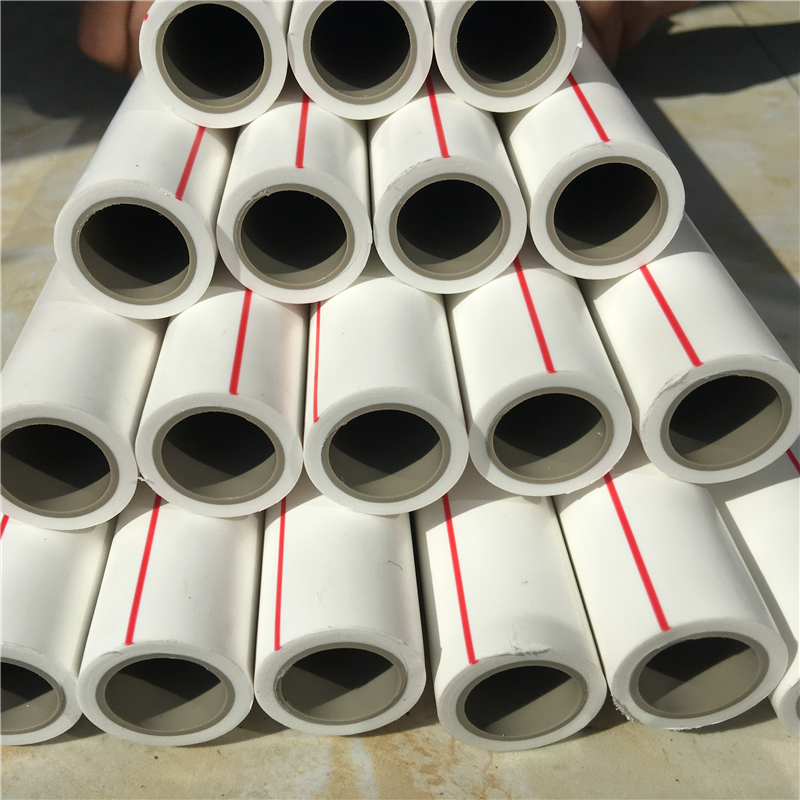
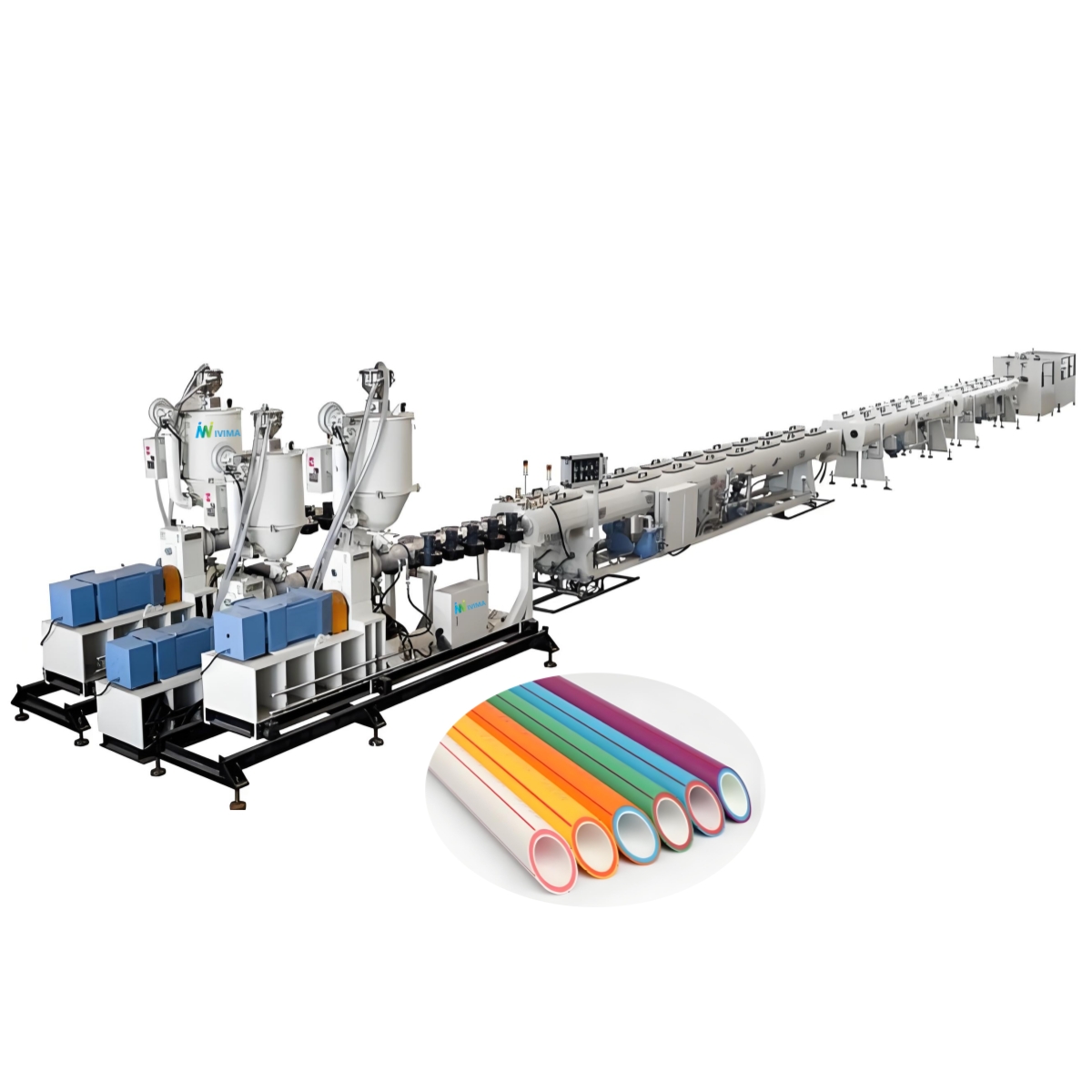
The shift toward multi-layer PPR pipes represents a necessary response to modern plumbing demands. Today’s industrial networks require fiberglass reinforced, UV-resistant, and antibacterial piping solutions. These advanced applications push manufacturers far beyond traditional single-layer methods. They demand sophisticated equipment capable of handling complex polymer formulations.
However, you face a core business challenge when upgrading your facility. Balancing the upfront capital expenditure of a multi-layer co-extrusion setup is difficult. You must achieve long-term yield stability, maintain minimal scrap rates, and guarantee consistent layer adhesion. A poor equipment choice leads to wasted material and frequent production halts.
This guide provides a structured framework for your upcoming equipment investment. We will help you evaluate and shortlist a high-performance PPR pipe extrusion line tailored for multi-layer manufacturing. You will learn how to align production goals, assess critical machinery components, and mitigate operational risks effectively.
Multi-layer co-extrusion requires precise synchronization between the main extruder and co-extruders to prevent delamination and ensure uniform wall thickness.
Spiral or basket-type multi-layer die heads are critical evaluation points for determining output quality and material distribution.
Factoring Total Cost of Ownership (TCO)—including energy consumption, scrap rates during startup, and integration with existing factory infrastructure—is more reliable than comparing initial sticker prices.
Standardized PLC systems and servo-driven components mitigate operational risks and shorten operator training cycles.
Before buying any machinery, you must define your exact success criteria. Different projects demand specific pipe structures and performance metrics. You might need AB, ABA, or complex ABC layer configurations depending on market requirements. For instance, an ABA structure often utilizes a recycled inner core to save material costs. An ABC structure might feature an antibacterial inner layer and a UV-resistant outer layer. We always recommend mapping out your target SDR (Standard Dimension Ratio) ratings early in the planning phase. Ensure your selected equipment complies strictly with DIN 8077/8078 standards. Meeting these global benchmarks guarantees the structural integrity and hydrostatic pressure resistance of your finished pipes.
Material efficiency ultimately drives your long-term profitability. You must evaluate how the equipment handles varying melt flow indexes. This becomes crucial when incorporating fiberglass for PPR-GF-PPR composite pipes. Fiberglass reduces linear thermal expansion significantly. This reduction makes the composite pipes highly suitable for suspended hot water systems in commercial buildings. Sometimes, you may use recycled core materials to control overall compound costs. Your extruders must process these diverse materials without clogging or pressure drops. Proper screw geometry ensures consistent melting regardless of the input material grade.
You will inevitably face output versus quality trade-offs. Maximizing line speed seems appealing for quick financial returns. However, pushing speeds without adequate co-extrusion pressure control causes severe production issues. It leads directly to unstable layer interfaces. These instabilities result in structural failures and layer delamination over time. A proper balance ensures high yields without sacrificing pipe durability. You should prioritize stable melt pressure over absolute maximum output speeds.
You must carefully assess the main single-screw extruder and its auxiliary co-extruders. Optimized Length-to-Diameter (L/D) ratios are completely non-negotiable. Typically, a ratio between 30:1 and 33:1 works best for PPR materials. This specific ratio ensures homogeneous plasticization throughout the entire barrel length. It prevents thermal degradation during the critical melting phase. The feed, compression, and metering zones must seamlessly transition the polymer from solid pellets to a uniform melt.
Compare standard die designs against advanced multi-layer spiral die heads. The die head serves as the single most critical component in your entire setup. It prevents delamination and maintains exact concentricity across all layers. A poorly designed die head ruins material distribution instantly. Spiral die heads distribute the polymer melt evenly by creating intersecting flow paths. They eliminate weld lines effectively. Weld lines typically weaken the pipe structure and cause premature failures under high pressure.
Evaluate the vacuum calibration tanks and cooling flumes thoroughly. Multi-layer pipes retain heat differently than their single-layer counterparts. They require robust, extended cooling infrastructure to solidify properly. The vacuum sizing sleeve must maintain precise outer dimensions while the internal layers cool. Insufficient cooling leads to ovality, pipe shrinkage, and severe dimensional inaccuracies. We recommend multi-zone water temperature controls to gradually cool the thick-walled composite pipes.
Scrutinize the centralized PLC framework powering your line. Reliable brands provide necessary operational stability for complex co-extrusion tasks. Precise gravimetric dosing systems maintain exact layer percentages automatically. Synchronized drive controls ensure the main extruder and co-extruders run in perfect harmony.
Here are the essential automation features you should demand:
Synchronized screw speed control to prevent layer thickness variations.
Real-time melt temperature monitoring across all extrusion heating zones.
Automated gravimetric feeding for precise raw material blending and inventory tracking.
Remote diagnostic capabilities for rapid vendor troubleshooting and software updates.
Table 1: Evaluation Criteria for Co-Extrusion Components
Component Module | Standard Single-Layer Requirement | Advanced Multi-Layer Requirement |
|---|---|---|
Extruder L/D Ratio | 25:1 to 30:1 | 30:1 to 33:1 for optimal blending |
Die Head Design | Standard spider die | Spiral or basket-type multi-layer die |
Material Dosing System | Manual or volumetric dosing | Automated precision gravimetric dosing |
Cooling Infrastructure | Standard single vacuum tank | Extended multi-stage cooling flumes |
Multi-layer setups require significant physical space on your factory floor. Detail the footprint constraints in your facility early in the planning process. A co-extrusion setup runs inherently longer than standard equipment. It easily demands 30 to 40 meters of linear floor length. It also requires more auxiliary access points than a basic single-layer line. Plan your factory layout to accommodate extra hoppers, drying units, and larger cooling tanks safely.
Discuss the cross-compatibility of your auxiliary equipment proactively. You can often share chillers, intensive mixers, and downstream haul-offs across different production lines. For example, sharing cooling tower resources with an existing HDPE pipe extrusion line optimizes your capital allocation. Similarly, you might integrate bulk material handling systems currently used by your PVC pipe extrusion line. We highly recommend mapping out these shared utility networks before installation begins. This strategy prevents unnecessary duplicate equipment purchases.
Acknowledge the steep learning curve for your machine operators. Multi-layer lines demand advanced troubleshooting skills and deep material knowledge. Operators must manage complex layer distributions and dynamic temperature profiles continuously. Factor comprehensive vendor training into your initial project timeline. You should also prepare for higher scrap margins during the startup phase. Proper hands-on training minimizes these costly material wastes significantly.
Common operator mistakes to watch out for include:
Ignoring slight temperature fluctuations in the co-extruder barrel zones.
Failing to recalibrate the gravimetric doser when changing resin batches.
Rushing the cooling process to increase speed, causing uneven internal shrinkage.
Misaligning the haul-off caterpillar tracks, leading to pipe deformation.
Look for hard evidence of successful multi-layer deployments when evaluating potential vendors. A generic plastic pipe machine manufacturer might lack specific co-extrusion engineering knowledge. Ask potential vendors for detailed, verifiable case studies. Request client references for ABA or fiberglass reinforced lines they have actively installed. Speaking directly to previous buyers reveals the true operational reliability of the equipment.
Define strict Factory Acceptance Testing (FAT) protocols before signing any purchasing contracts. Never sign off on equipment delivery based solely on static visual inspections. Insist on running your specific multi-layer formulations during the FAT session. Push the PPR pipe production line to continuous high speeds. Monitor the output closely for layer consistency, concentricity, and overall machine stability. The FAT must simulate your actual factory environment as closely as possible.
Assess the local availability of critical wear parts immediately. Extruder screws, bimetallic barrels, and sizing sleeves inevitably wear down over time. You must know the vendor's Service Level Agreement (SLA) for remote technical troubleshooting. Fast remote PLC diagnostics significantly minimize unplanned downtime. A reliable spare parts inventory keeps your production running smoothly. Ensure your vendor provides a clear, comprehensive catalog of replacement components upon delivery.
Investing in multi-layer production represents a highly strategic business move. It dictates your finished product quality and defines your overall market competitiveness. Buyers should prioritize die head precision and control system reliability over baseline equipment costs. Partnering with transparent, experienced vendors ensures long-term operational success. We strongly recommend initiating technical consultations immediately. Approach your shortlisted manufacturers armed with specific material formulations and clear throughput targets. Taking these proactive steps secures a reliable, high-yield manufacturing process for years to come.
A: Controlled via a combination of precise gravimetric dosing systems, synchronized extruder screw speeds via PLC, and specialized multi-layer die head flow channels.
A: Yes, by deactivating the co-extruders or running the same base resin through all extruders, though it may not be the most energy-efficient approach for dedicated single-layer runs.
A: While both use single-screw extruders, the screw geometry, heating/cooling profiles, and die head designs differ significantly due to the distinct melt behaviors and crystallization rates of PPR versus HDPE.
A: Prevention relies on exact temperature control in the co-extrusion die, appropriate coupling agents in the fiberglass compound, and ensuring compatible melt temperatures between the middle and inner/outer layers.